


As of Emerging Technologies in the US 2026 January 2026, the technology landscape in the United States has changed from “innovation theater” to a period of deep integration. If 2024 was the year of the chatbot and 2025 focused on pilot programs,Emerging Technologies in the US 2026 is officially the “Year of Truth.” The innovations presented at CES 2026 and the latest industrial deployments show a nation that is not just dreaming of the future but also building strong foundations for an AI-driven economy. Here’s a detailed look at the new technologies taking over the US this month.
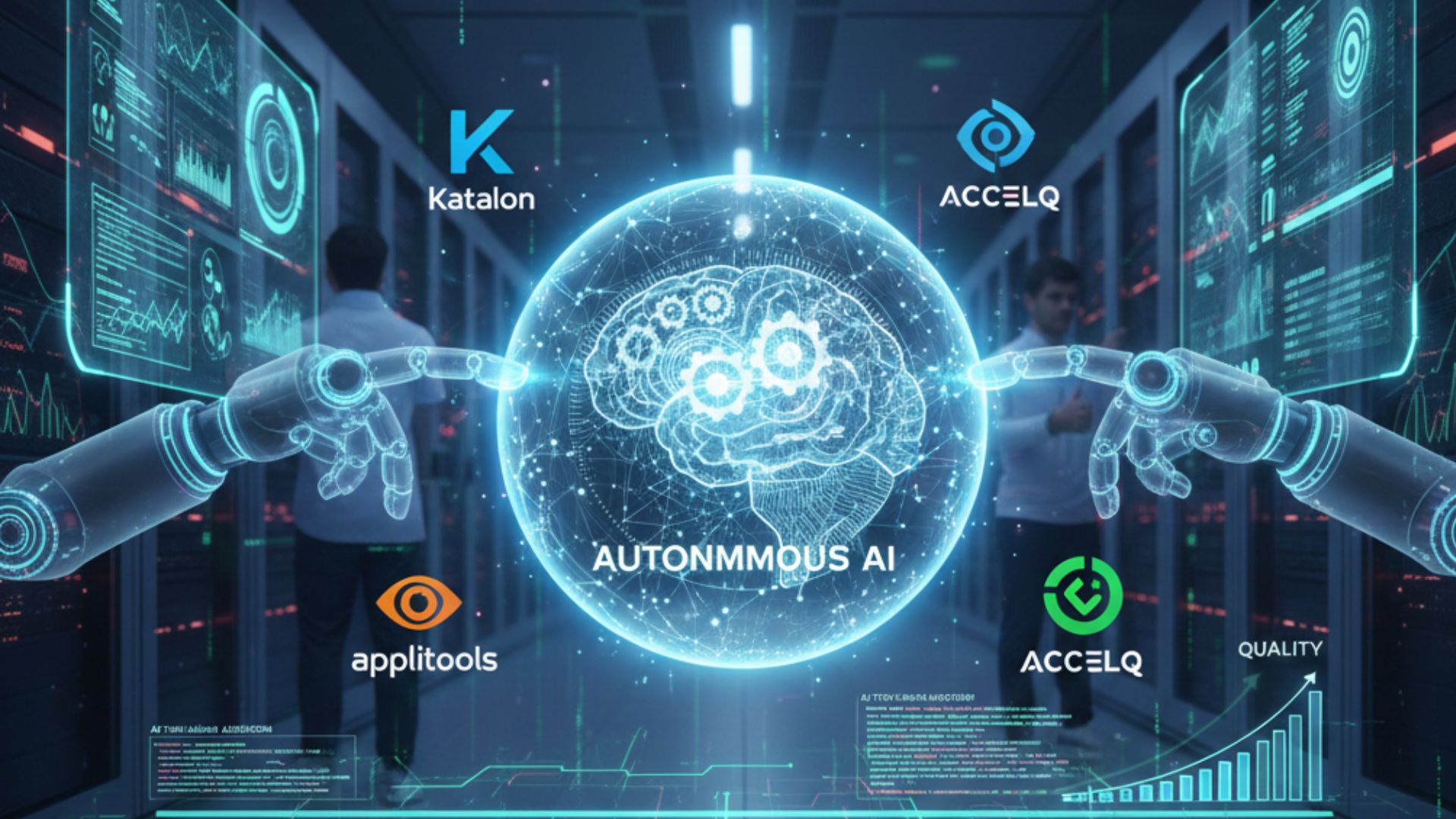
- Agentic AI: The Rise of the “Silicon Workforce”
The biggest change this month is the shift from Large Language Models (LLMs) to Agentic AI. We have progressed from AI that simply answers questions to systems that can reason, plan, and execute tasks on their own.
From Copilots to Autonomy
In US companies, AI agents are becoming more than just “sidekicks.” They are now managing complex workflows independently.
Autonomous Procurement: Major companies are deploying agents that find supply chain gaps, negotiate with vendor AIs, and carry out contracts without human help.
Agentic Swarms: Instead of relying on a single large model, 2026 sees the rise of “swarms”—groups of specialized agents (like Tax, HR, IT) that work together to tackle enterprise-scale issues.
Redesign over Automation: As noted by Deloitte and Gartner, the leaders in 2026 are those rearranging their entire business processes around these agents rather than just automating outdated ones.
- Physical AI and Humanoid Robotics
Intelligence is finally moving beyond screens. Physical AI combines machine learning with advanced robotics, allowing machines to perceive and interact with the world with human-like skill.
The Industrial Reality
Amazon’s Million-Robot Milestone: Amazon has officially deployed its one-millionth warehouse robot. Their new DeepFleet AI manages these fleets, improving travel efficiency by more than 10%.
BMW’s Autonomous Factories: At BMW’s US plants, cars now navigate their own kilometer-long production routes, avoiding obstacles with the help of on-board Physical AI.
Humanoids in Care: General-purpose humanoid robots are expanding beyond logistics into elder-care facilities, helping with mobility and daily tasks using “world models” that understand physics and gravity.
- The Energy Revolution: Silicon-Carbon (SiC) Batteries
For decades, lithium-ion technology was the limiting factor. In January 2026, the US is experiencing the Silicon-Carbon (SiC) Revolution, which replaces traditional graphite anodes to achieve unmatched energy density.
Fast Charging and Endurance
The “Flash Charge” Era: We are seeing the first smartphones and wearables that can charge from 0 to 100% in under 10 minutes.
EV Performance Race: US electric vehicle manufacturers are using SiC batteries to provide up to 30% more range without increasing size. More importantly, “extreme fast charging” is becoming standard, allowing for 150 km of range from just a 1-minute charge.
Climate Resilience: These batteries stay highly efficient even in extreme cold, which solves the “winter range” issue that older EVs faced in the Midwest.
- Quantum Utility: Breaking the Lab Walls
Quantum computing is moving from experimental physics to practical business use. The focus has shifted from “supremacy” to creating Hybrid Quantum-Classical Workflows.
The 4 Cs of Quantum (2026)
Computing: Using quantum processors for difficult optimization and simulations.
Concretization: Real-world applications in finance (for portfolio optimization) and pharmaceuticals (for molecular simulation).
Correction: Breakthroughs in fault-tolerant algorithms are making quantum systems reliable enough for industrial use.
Cybersecurity: As quantum capabilities grow, the US is rapidly adopting Post-Quantum Cryptography (PQC) to safeguard national data against “harvest now, decrypt later” threats.
- Bio-Convergence and Ambient Health
In 2026, “Healthcare” is being redefined as Healthspan Tech. The convergence of AI, sensors, and biology is creating a world of Ambient Biosensing.
Predictive Wellness
Early Detection Wearables: New torso-worn devices (like Peri) can track hot flashes and signs of perimenopause in real-time.
Gait & Speech Analysis: Samsung and Oura have included AI that examines changes in your walk or voice to identify signs of cognitive decline or viral infection 48 hours before symptoms appear.
ChatGPT Health: OpenAI has introduced a specialized Health experience that extracts insights from your medical records and wearable data to offer personalized longevity coaching.
- Connectivity: The 6G Horizon and Edge Cloud 3.0
Connectivity in the US is undergoing a significant rebuild to meet the enormous data demands of AI agents.
The Path to 6G
Terabit Speeds: While 5G is the standard now, US research centers are testing 6G prototypes that reach 1 Tbps (Terabit per second) speeds.
Integrated Sensing: 6G networks are becoming “sensors” that can detect physical movements and environmental changes—this would help with drone detection and smart traffic management.
Edge Cloud: To guarantee privacy and zero latency, AI processing is shifting from centralized data centers to “Edge Hubs” in local neighborhoods.
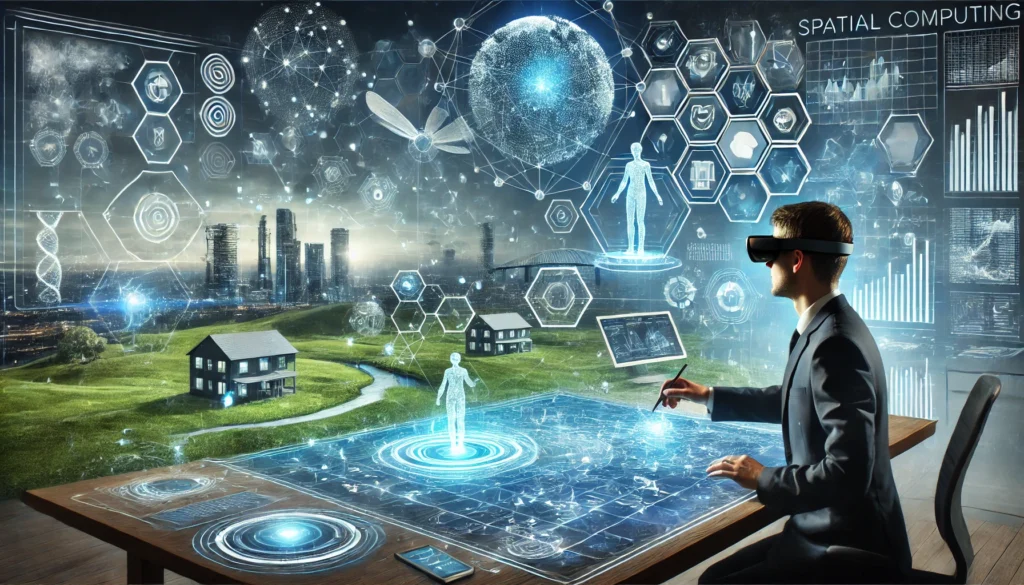
Emerging Technologies in the US 2026 :
- Software-Defined Everything (SDX)
The way we interact with machines is changing. Hardware is now dynamic; it is Software-Defined.
The Intelligent Cabin
As showcased at CES 2026, the car is becoming a “living ecosystem.”
Proactive AI: Honda and Mercedes-Benz have integrated AI that predicts driver needs. If biometrics indicate stress, the car automatically adjusts lighting and suggests a calmer route.
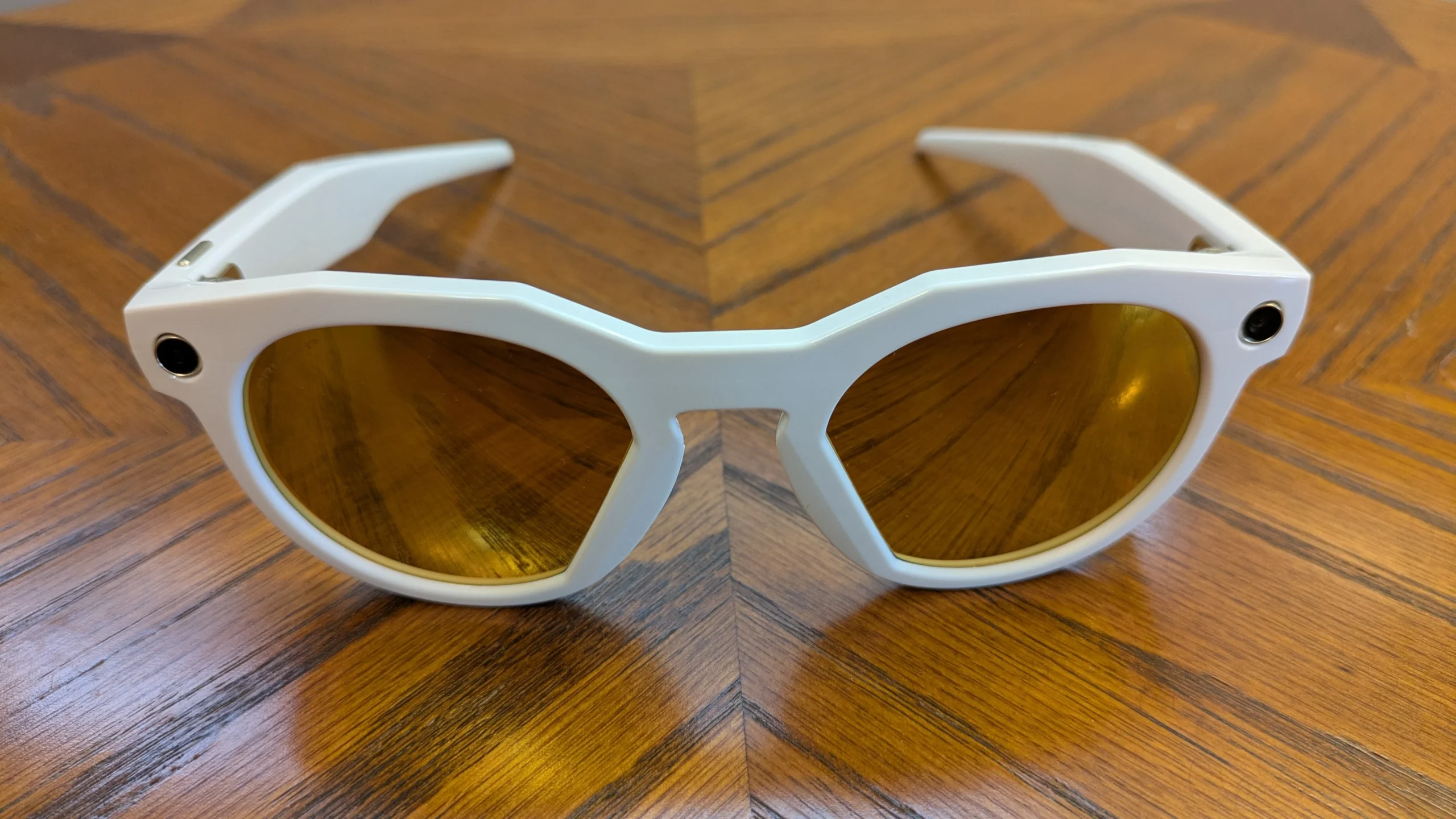
Tri-Fold & Motorized Tech: Samsung’s Galaxy Z TriFold and Lenovo’s Auto-Twist laptops (which follow you during calls) demonstrate how hardware is becoming as fluid as the software it runs.
Conclusion: The Era of Utility
The emerging technologies of January 2026 reveal a clear trend: the honeymoon phase with AI is over, and the time for real impact has begun. Americans are no longer looking for “cool” gadgets; they seek autonomous agents that save time, batteries that charge instantly, and healthcare that prevents illness before it starts.
As the US maintains its lead in the global AI and Quantum race, 2026 will be remembered as the year we transitioned from “testing” the future to actually living in it.
Would you like me to create a 15-tag SEO list for this blog or a comparison between US and China’s tech leadership in 2026?
Conclusion: Living the Future
The emerging technologies of January 2026 show a clear trend: the honeymoon phase with AI is over, and the era of tangible utility has begun. Americans are no longer satisfied with “smart” gadgets; they are demanding autonomous systems that save time, energy storage that charges instantly, and infrastructure that is resilient and sovereign.
As we look forward to the remainder of 2026, the winners in the US market won’t be those with the flashiest marketing, but those who can prove reliability, data privacy, and measurable business value. The “Titan” era of technology has arrived, and for the first time in a decade, the hardware is finally catching up to the imagination of the software.Read more..